Understanding Heat Pumps: Installation and Operational Costs
Initial Installation Expenses
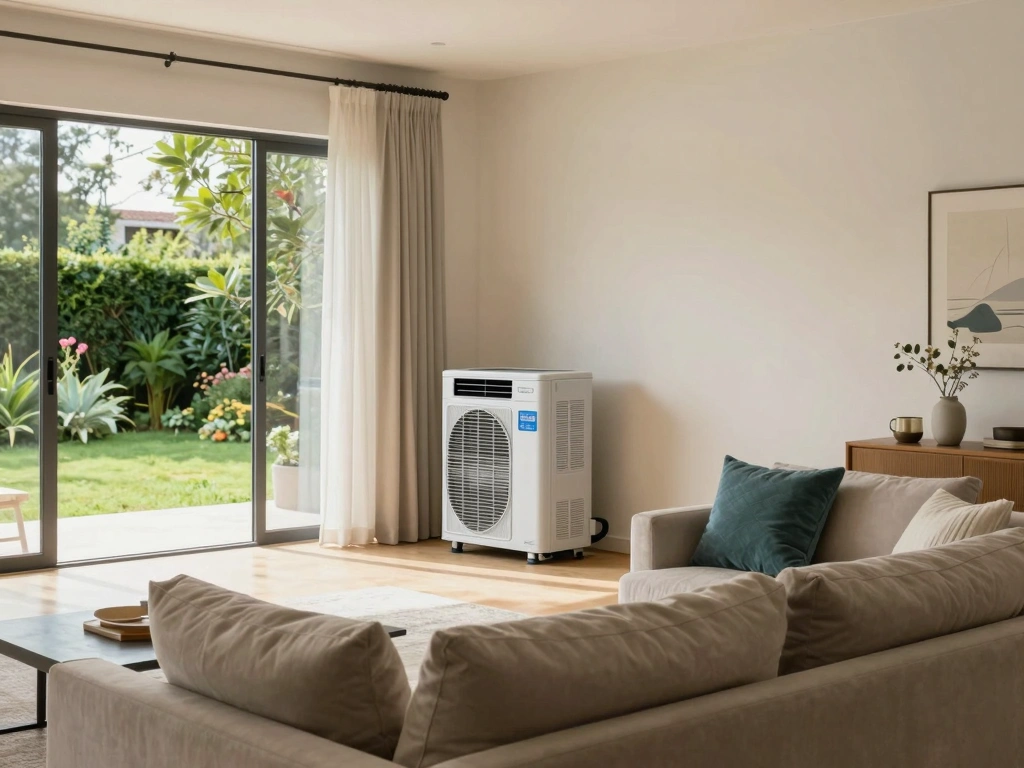
When considering heating systems for your home, the initial installation costs are a significant factor. Heat pumps generally range from $3,500 to $8,000 for installation, depending on the size of your home and the complexity of the installation. This price includes the heat pump unit itself, labor, and any necessary modifications to your existing ductwork or electrical systems.
For example, a ductless mini-split heat pump may cost around $3,000 to install in a small home, whereas a central air-source heat pump for a larger home can exceed $7,000. The investment in a heat pump can be higher upfront compared to a traditional furnace, but this needs to be weighed against operational costs and efficiency over time.
Energy Efficiency Ratings and Their Impact
Heat pumps are often rated by their Heating Seasonal Performance Factor (HSPF) and Seasonal Energy Efficiency Ratio (SEER). A higher HSPF indicates better efficiency; for instance, a heat pump with an HSPF of 8 is considered efficient, whereas one rated at 10 or above is exceptional.
The operational efficiency of heat pumps can lead to lower energy costs over time. For example, if a heat pump consumes 1,500 kWh annually, and your local electricity rate is $0.12 per kWh, your annual operating cost would be approximately $180. In contrast, a less efficient model could mean significantly higher bills.
Long-Term Maintenance Costs
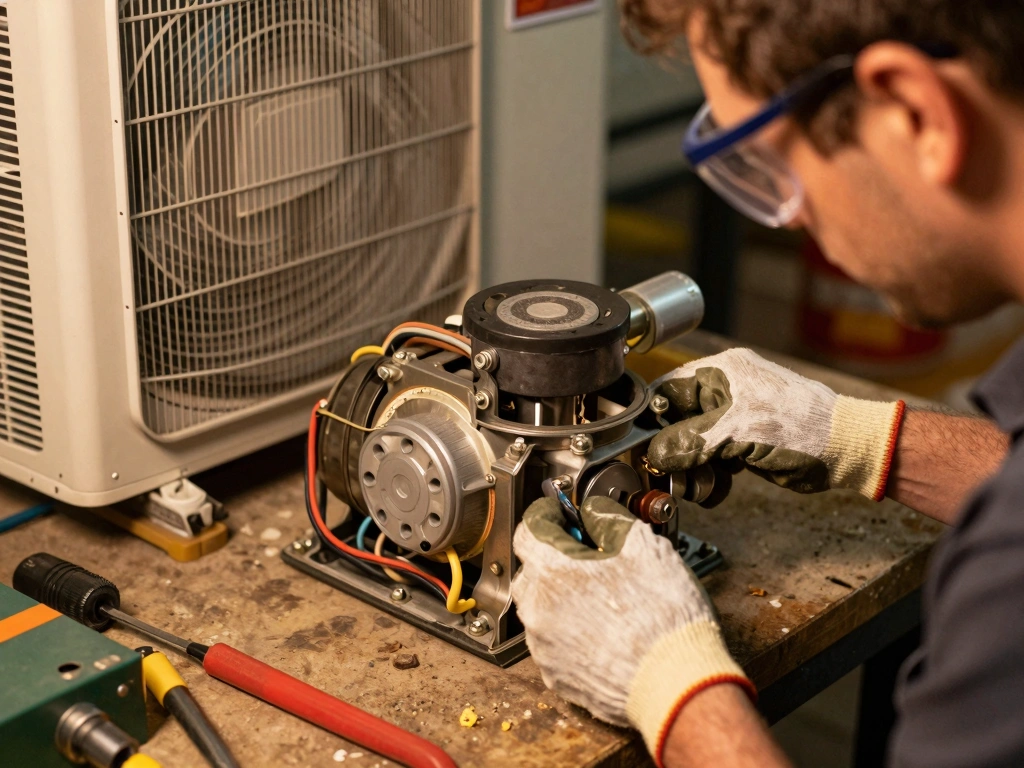
Maintenance costs for heat pumps are generally lower than for furnaces due to fewer moving parts and less wear and tear. On average, annual maintenance for a heat pump costs about $150 to $300. This includes regular servicing, filter replacements, and minor repairs. It is essential to have your heat pump inspected at least once per year to ensure optimal efficiency and longevity.
In contrast, a furnace may require more frequent repairs, especially as it ages, leading to higher long-term maintenance costs. Understanding these costs is vital for budgeting your home heating expenses over the years.
Furnaces: A Breakdown of Costs Over Their Lifetime
Upfront Purchase Price and Installation Fees
Furnaces come in various types, including gas, electric, and oil, and the upfront costs can vary significantly based on the type. The average installation cost for a gas furnace ranges from $2,500 to $6,000, while electric furnaces are typically less expensive, with costs around $1,500 to $3,500. Oil furnaces are often on the higher end of the spectrum, costing between $3,000 and $7,000.
For example, if you install a mid-range gas furnace for $4,000 and factor in an additional $1,000 for installation, your total upfront cost would amount to $5,000. This is generally lower than the initial investment for a heat pump, particularly in regions where gas prices are stable.
Fuel Type and Its Influence on Operational Costs
The type of fuel used by a furnace significantly impacts its operational costs. For instance, natural gas is often the most economical option, with average prices around $1.00 per therm. If a gas furnace has an Annual Fuel Utilization Efficiency (AFUE) rating of 90%, and it uses 1,200 therms annually, the operational cost would be approximately $1,200.
In contrast, electric furnaces, while often cheaper to install, can incur higher energy costs due to fluctuating electricity prices. Homeowners should consider local fuel prices when choosing between a furnace and a heat pump to understand long-term expenses better.
Regular Maintenance and Repair Expenses
Furnaces typically require more maintenance than heat pumps, leading to higher long-term costs. Homeowners should budget approximately $200 to $500 annually for routine maintenance, which includes cleaning, inspections, and potential repairs. Over a 15-year lifespan, this could total anywhere from $3,000 to $7,500 in maintenance costs alone.
Additionally, as furnaces age, the likelihood of major repairs increases. Homeowners should be prepared for unexpected expenses, which can add up quickly, especially during peak heating seasons when repair services may be in high demand.
Comparative Energy Efficiency: Heat Pumps vs. Furnaces
Seasonal Energy Efficiency Ratio (SEER) Explained
The SEER rating is crucial for evaluating the energy efficiency of heat pumps, particularly in warmer climates where they provide both heating and cooling. A heat pump with a SEER rating of 16 is considered efficient, while those above 20 are exceptional. Higher SEER ratings correlate with reduced energy consumption and lower utility bills.
In practical terms, if a heat pump with a SEER of 16 uses 1,500 kWh annually during cooling months, this efficiency will reflect in the overall energy costs, making it a more economical choice in regions with extensive cooling needs.
Annual Fuel Utilization Efficiency (AFUE) for Furnaces
Furnaces are measured by their AFUE rating, which reflects the percentage of fuel converted into heat. A furnace with an AFUE of 80% means that 80% of the fuel is used for heating, while 20% is lost in exhaust. High-efficiency furnaces can have AFUE ratings of 90% or higher, significantly reducing fuel consumption.
For instance, using a gas furnace with an AFUE of 95% would mean lower fuel costs compared to a less efficient model. Over time, this efficiency translates to substantial savings, particularly in colder climates where heating demand is high.
Long-Term Savings from Energy Efficiency
When comparing heat pumps and furnaces, energy efficiency plays a critical role in long-term savings. For example, if a heat pump saves approximately 30% on energy bills compared to a furnace, homeowners could save hundreds of dollars annually. In a climate with moderate heating needs, this could lead to savings of $300 to $500 per year, resulting in a return on investment for the initially higher installation costs.
In contrast, a highly efficient furnace may not achieve the same level of savings, especially in warmer months when the heating demand is reduced. Ultimately, energy efficiency ratings should be a key consideration when evaluating the lifetime costs of heating systems.
Climate Considerations: How Location Affects Cost
Heat Pump Performance in Different Climates
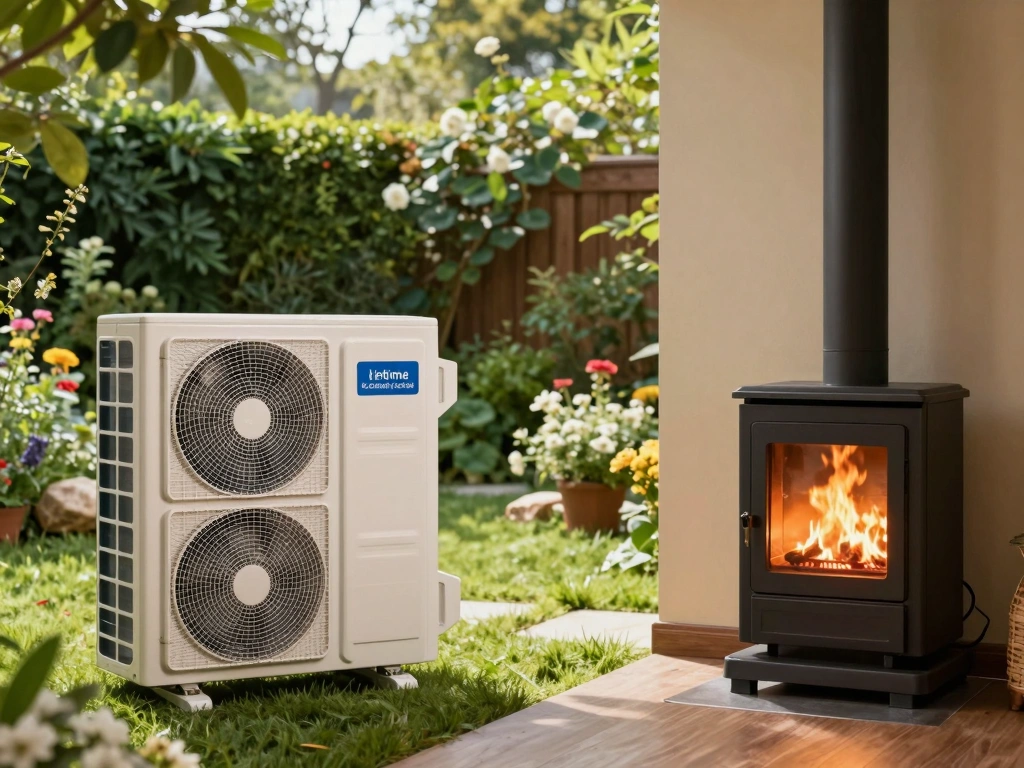
Heat pumps operate by transferring heat rather than generating it, making them highly efficient in moderate climates. However, their performance can diminish in extremely cold temperatures. In regions where temperatures regularly drop below 30°F, heat pumps may struggle to provide adequate heating, leading to higher operational costs if supplemental heating systems are required.
For example, in a climate like the Southeastern United States, where winters are mild, a heat pump can be an excellent choice, offering significant savings and efficiency. Conversely, in areas like the Northern Midwest, homeowners may face challenges using heat pumps effectively, necessitating backup systems that can negate the cost benefits.
Furnace Efficiency in Cold Weather Conditions
Furnaces, particularly gas furnaces, excel in colder climates, providing reliable and consistent heating. In temperatures well below freezing, a gas furnace maintains efficiency, as it generates heat directly from fuel combustion. Homeowners in these regions often find that furnaces are more effective for their heating needs, ensuring comfort without the performance limitations that heat pumps can face.
For instance, a gas furnace installed in a home in Minnesota may operate efficiently even during the coldest months, resulting in lower energy bills than a heat pump system that cannot keep up with heating demands.
Regional Energy Prices and Their Influence on Costs
Energy prices vary significantly by region and can greatly influence the overall cost of heating a home. In areas where natural gas prices are low, gas furnaces may be the most economical choice. However, in regions where electricity is cheaper, heat pumps can shine as a more cost-effective solution.
For example, if natural gas prices rise to $3.50 per therm, operating a gas furnace may become less attractive compared to a heat pump that operates on electricity costing $0.10 per kWh. Homeowners should carefully analyze their local energy prices when making their heating system decision.
Overall Lifetime Cost Analysis: Making an Informed Decision
Calculating Total Cost of Ownership for Heat Pumps
To calculate the total cost of ownership for a heat pump, consider the initial installation costs, operational costs over its lifespan, and maintenance expenses. For example, if a heat pump costs $6,000 to install, with an annual operating cost of $180 and a lifespan of 15 years, the total operational cost would be $2,700. Adding maintenance costs of $300 annually over the same period results in a total cost of ownership of approximately $12,000.
Evaluating the Lifetime Cost of Furnaces
For a furnace, the total cost of ownership calculation involves similar factors. If a gas furnace costs $5,000 to install, has an annual operating cost of $1,200, and a lifespan of 15 years, the total operational cost would be $18,000. Added to the estimated maintenance costs of $4,500 over the years, the total cost of ownership could reach approximately $27,500.
When comparing these figures, it's clear that while heat pumps may have higher upfront costs, their lower operational and maintenance costs can lead to significant long-term savings.
Factors Influencing Your Final Decision
Several factors can influence your final decision between a heat pump and a furnace, including:
- Climate: Consider the average winter temperatures in your area and how each system performs in your specific climate.
- Energy Prices: Analyze local energy costs for both electricity and gas to determine which system may be more cost-effective.
- Home Size: Larger homes may require more powerful heating systems, which can affect installation and operational costs.
- Personal Preferences: Consider your preferences for heating comfort, system reliability, and environmental impact.
Ultimately, the decision between a heat pump and a furnace should be based on a comprehensive evaluation of these factors, ensuring you choose the most economically viable heating solution for your home.